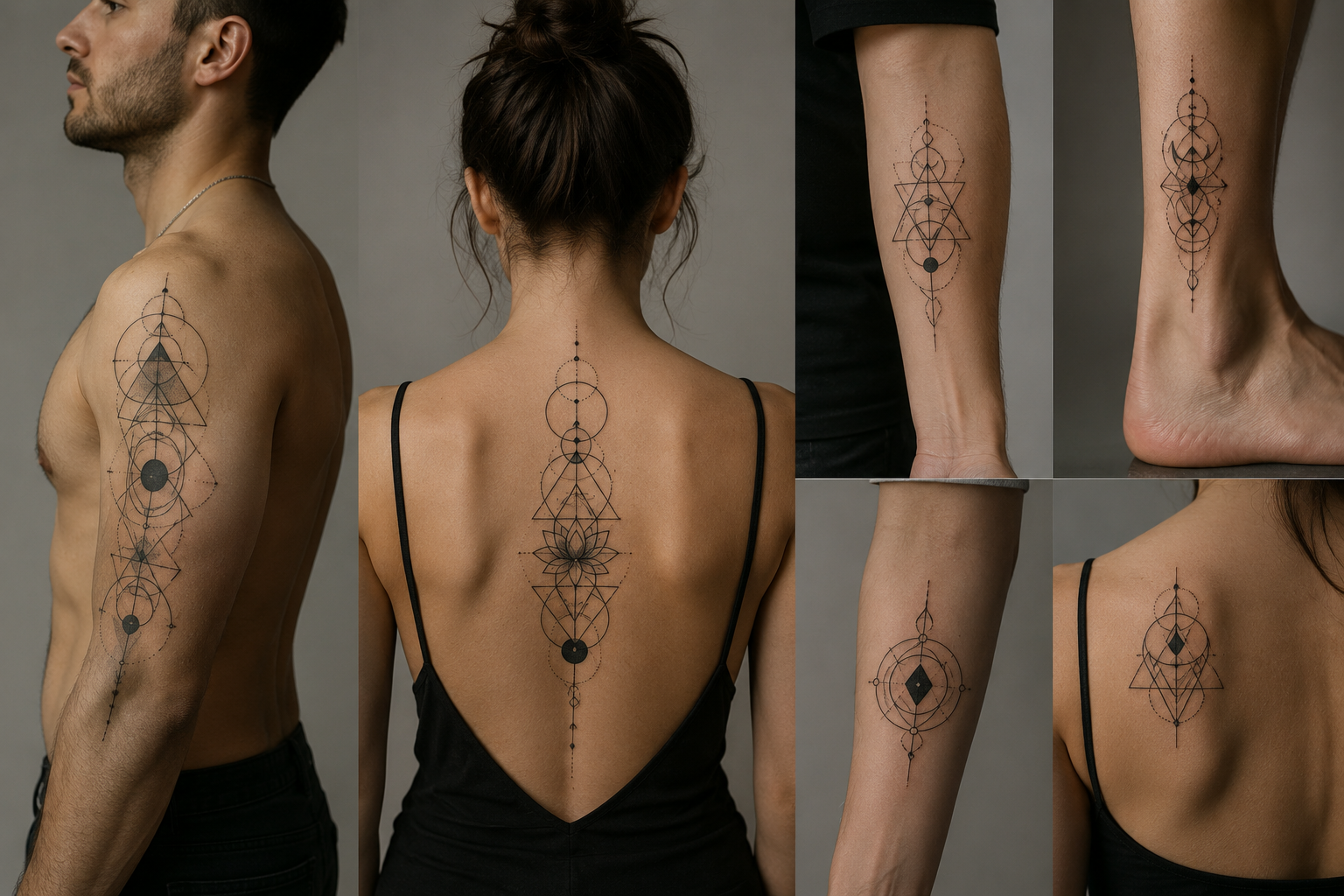
Geometric tattoos are known for their clean lines, precise shapes, and balanced compositions. From simple triangles to intricate mandalas, these tattoos can create striking designs with a modern and timeless appearance.
Beyond their visual appeal, geometric tattoos can also carry deep personal meanings. Their symbolism often depends on the shapes, patterns, and elements included in the design.
What Are Geometric Tattoos?
Geometric tattoos use shapes, lines, symmetry, and patterns to create artwork on the skin. Common elements include circles, triangles, squares, polygons, dots, and repeating patterns.
Some designs are completely geometric, while others combine geometric elements with animals, flowers, faces, or natural imagery.
Meaning Behind Geometric Tattoos
Different geometric shapes can represent different ideas.
Circles are often associated with unity, wholeness, eternity, and completeness.
Triangles can symbolize balance, strength, change, or spiritual concepts. Their meaning can also change depending on their direction and surrounding elements.
Squares commonly represent stability, structure, order, and foundation.
Spirals may represent growth, evolution, movement, and the journey through life.
Mandalas and symmetrical patterns are often connected with balance, harmony, and self-reflection.
Key Design Principles
Symmetry
Symmetry is one of the defining features of many geometric tattoos. Balanced shapes can create a visually satisfying design.
However, intentional asymmetry can also make a tattoo more dynamic and unique.
Proportion
Proportion matters because geometric designs rely on relationships between shapes and lines.
A small design may require simpler details, while a larger tattoo can accommodate more intricate patterns.
Line Quality
Clean, consistent lines are essential for geometric tattoos. Even small inconsistencies can become noticeable in highly detailed designs.
This is why choosing an experienced tattoo artist is particularly important for geometric work.
Repetition
Repeating shapes and patterns can create rhythm throughout a tattoo. Repetition is commonly used in mandalas, sacred geometry, and ornamental designs.
Negative Space
Negative space refers to the skin intentionally left uncovered by ink. It can separate geometric elements and prevent detailed designs from appearing crowded.
Popular Geometric Tattoo Styles
There are several ways to approach geometric tattooing.
Minimalist geometric tattoos use simple lines and basic shapes for a clean appearance.
Sacred geometry tattoos incorporate patterns and mathematical relationships that often have spiritual or symbolic associations.
Geometric mandalas use radial symmetry and repeating details to create intricate circular compositions.
Geometric animal tattoos combine realistic or recognizable animal imagery with geometric shapes and patterns.
Abstract geometric tattoos focus on unusual combinations of lines, shapes, and patterns without relying on recognizable imagery.
Best Placements for Geometric Tattoos
The best placement depends on the design’s size, shape, and level of detail.
Forearm
The forearm provides a relatively flat surface that works well for geometric patterns, vertical designs, and larger compositions.
Upper Arm
The upper arm offers enough space for medium to large geometric tattoos and can be incorporated into a larger sleeve.
Chest
The chest works well for symmetrical designs, especially mandalas and larger geometric compositions.
Back
The back provides a broad canvas for highly detailed geometric tattoos. Large symmetrical designs can make particularly strong statement pieces.
Calf
The calf is suitable for vertical geometric designs and medium-sized patterns. Its natural shape can also help create an interesting flow.
Wrist and Hand
Small geometric designs can work well on the wrist or hand. Because these areas receive frequent movement and exposure, simpler designs may be easier to maintain visually over time.
How to Choose the Right Geometric Tattoo
Start by deciding what you want the tattoo to represent. Meaning can help narrow down the shapes, patterns, and imagery you want to include.
Next, consider the size and placement. Highly detailed geometric designs usually need enough space for the lines and patterns to remain clear.
Finally, find a tattoo artist experienced in geometric work. Review their healed tattoo portfolio, not just fresh tattoos, to understand how their work ages.
Final Thoughts
Geometric tattoos combine artistic design with structure, symmetry, and symbolism. Whether you prefer a minimalist shape or an intricate sacred geometry piece, the design can be customized to reflect your personality and meaning.
Choosing the right shapes, proportions, placement, and artist can help ensure your geometric tattoo looks balanced and remains visually appealing for years to come.
Leave a Reply